

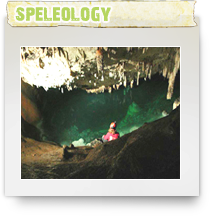
The karstic area of Croatia abounds in caves and holes of which there are more than 850 and they are to be found on the mainland, on islands, by rivers, on the sea bed and in the mountains. For over half of them all we know is that they exist, but everything else is unknown and they are yet to be thoroughly investigated. Some of the more attractive caves, for instance those in Istria, Gorski kotar, on the mountains of Medvednica (rising above Zagreb), Papuk, in the regions of Kordun, Lika, Dalmatia and Zagora - are open to visitors with no experience in speleology. Their inventory is rich and varied, comprising dripstones (stalagmites and stalactites), curtains and all the other fascinating features found in caves.
Many underground spaces are protected as geomorphological monuments, such as Modra spilja [Blue Cave] on the island of Bisevo; Cerovecke spilje [Cerovac Caves] near Gracac; Manita pec [Furious Furnace]; Veternica, near Zagreb and many others. Also protected are all denizens of the underground world, relics and endemic species - bugs, shells, sponges, olm (or proteus), a cave leech discovered in Luka's Hole on Velebit. The oldest finds of Homo erectus (dating from about one million years ago) originate from Sandalja near Pula; in the Husnjakovo semi-cave near Krapina remains of Neanderthal man were found (c. 120,000 years old). Among a number of interesting features on the island of Brac are Zmajeva spilja and the cave altars close to the Blaca desert.
The caves organised to receive visits by tourists arte installed with lighting, pathways which ensure safe passage, and guides provided by the authority responsible for protecting the caves, or by visit organizers. Speleological societies, clubs and sections within the mountaineering societies undertake research of caves and holes. Research expeditions of some importance are often joined by speleologists from other countries. One activity that is gaining in popularity is what has become known as speleo-diving. Many speleological sites reveal their most interesting features and links with other underground spaces and water flows only when water obstacles (syphons) are overcome by diving through them.